

Online poker – how to get started, how to choose a good platform and what to watch out for (rake, bonuses, withdrawals)
Online poker is a bit of a different beast than slots or roulette. It’s not a case of clicking and hoping for the best — it’s a game where your decisions, patience and bankroll management make a huge difference. Poker attracts people who want to feel in control. And that’s fine. But beware: in poker, the biggest hidden cost isn’t bad luck — it’s the rake (commission), table selection and emotions after a few losing hands.
The short version: in poker, what matters is the platform (rake + withdrawals + UX) and your own habits. If you play impulsively, poker can burn through your bankroll too. If you play methodically, it can offer the best controlled entertainment in the casino world.
Related topics: live casino, online blackjack, online roulette, how to withdraw from an online casino, instant withdrawals, payments.
What is online poker?

Online poker is poker played over the internet, most commonly in the form of Texas Hold’em, Omaha or other variants. Unlike classic casino games, you play against other players, and the platform earns from the rake (commission) and tournament fees. This is an important difference: in poker the opponent is not directly the casino, but you still pay an entry cost in the form of commission.
Online poker most commonly comes in two forms:
- Cash game – you play for real stakes at tables, and you can join and leave whenever you want.
- Tournaments – a buy-in, rising blinds, a prize pool and paid places.
Most popular variants: Texas Hold’em, Omaha and the rest
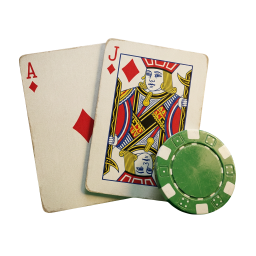
Texas Hold’em
The most popular online poker. You get 2 hole cards, 5 community cards on the table. Easy to learn, hard to master. If you’re just starting out, this is where most people begin.
Omaha (PLO)
A wilder variant: you usually get 4 hole cards, but you must use exactly 2 from your hand and 3 from the board to make your hand. Action can be much swingier (bigger fluctuations), so budget and discipline are even more important.
Stud, Draw and other formats
Less common on typical casino platforms, more frequent on dedicated poker rooms. If you like classics or niche variants, look for an operator with traffic and a sensible lobby (no ghost tables).
Cash game vs tournaments – what’s better for beginners?
It depends on your mindset and your goal. Cash games give you control: you can end the session at any moment. Tournaments give you a story and emotions, but also time pressure and blinds.
| Feature | Cash game | Tournaments |
|---|---|---|
| Time control | high – you leave whenever you want | lower – the tournament has its own rhythm |
| Variance | usually smaller | often larger (especially MTTs) |
| Mental approach | more grindy | more event-like |
| Most common trap | sessions that are too long without breaks | re-entry/rebuy and chasing because you’ve already invested so much |
If you’re starting out: many people handle low-stakes cash games better, because it’s easier to set a time limit and leave without one more level of blinds.
Rake – the hidden cost that eats away at your results

Rake is the commission the platform takes in cash games (from the pot) or the fee in tournaments. That’s normal. The problem starts when the rake is high and the platform gives nothing in return (weak traffic, weak tables, weak payouts, no transparency).
What to check when it comes to rake?
- Rake rate (percentage and cap – maximum commission per hand)
- Rakeback / VIP – whether you get a real refund of part of the rake
- Transparency – whether the platform clearly shows the rules and tiers
If you see aggressive VIP marketing but no specifics about rakeback, it’s usually not a gift, just fog. And fog in finances rarely works in the player’s favor.
Poker bonuses – when they make sense and when they’re just decoration

Poker bonuses are often different from slot casino bonuses. Instead of the classic 35x wagering, you’ll more often find:
- rake-based bonus (unlocked by generating rake)
- cashback / rakeback (partial refund of your playing costs)
- free tickets to tournaments
Most importantly: a bonus only makes sense if it doesn’t push you to play longer than you planned. If a bonus forces an absurd grind in a short time, in practice you’re buying stress. If you want to get a handle on promotion mechanics in general: cashback bonuses, no deposit bonus (often with limits), free spins (more slot-oriented).
How to choose an online poker platform?
Don’t pick a poker room based only on the “biggest bonus” banner. Pick it based on how it will actually feel to play and cash out. Here’s a checklist that does the job:
| Criterion | What to check | Why it matters |
|---|---|---|
| Traffic | whether there are tables at your stakes and hours | without traffic, the lobby is a museum |
| Rake and cap | how much the platform takes and where the ceiling is | it’s a fixed cost of playing |
| Rakeback/VIP | whether the return is real and transparent | it can reduce the cost of playing |
| Withdrawals and KYC | methods, limits, times, required documents | a win without a cashout is a fairy tale |
| Software and stability | crashes, reconnects, delays, multi-tabling | poker is about decisions under time pressure |
| Mobile | whether the app runs smoothly | phone is the most common scenario |
| Support | response time and quality | disputes and payouts require specifics |
If your priority is a stress-free withdrawal: how to withdraw from an online casino. For mobile: mobile casinos. Payments: payments + methods like Skrill and PaysafeCard.
Online poker and withdrawals: blocks and how to avoid them

In poker, withdrawals are usually not blocked because you won, but because you didn’t handle the process or the terms properly (especially KYC). The most common problems:
1) KYC only at the first withdrawal
That’s standard. Prepare your documents in advance so your money doesn’t sit in limbo.
2) Mismatch between deposit and withdrawal methods
You deposit with one method and want to withdraw with another. The operator may require closing the deposit trail (AML). It’s best to plan your withdrawal before you even make the deposit.
3) Withdrawal limits
Min/max, sometimes daily/weekly. If you’re planning a bigger cashout, check whether you’ll have to split it into installments.
4) Bonuses/rakeback with conditions
If a bonus is tied to generating rake, don’t force yourself to hit the target. It’s the fastest route to tilt and dumb decisions.
Pro tip: make a small test withdrawal after your first sessions. Not to collect profit, but to check the process: approval, KYC, limits and processing time.
Tilt in poker – the silent bankroll killer

Tilt is a state where emotions take the wheel. After two weird bad beats you start playing wider, faster, worse. Online poker is especially prone to tilt because you’re playing alone, fast, and without the physical brake of a table and people around you.
The simplest safeguards:
- session time limit (timer)
- loss limit (stop-loss)
- a break after a strong run
- no chasing losses at higher stakes
If you want to approach the topic systematically: responsible gambling.
Online poker on mobile – what must work
Mobile poker is convenient, but only if the app is stable. What to check:
Reconnect and stability
If your internet disconnects, does the app return to the table without drama? Poker is about decisions in real time, so reconnect is crucial.
Multi-tabling and readability
On a phone, misclicks are more likely. If the UI is cramped and jittery, it’s better to play fewer tables but keep them readable.
More about mobile: mobile casinos.
Where to insert the Online Poker ranking?
In this place, it’s best to insert your Casinos Listing or a similar block with platforms that have poker (or a poker section) and sensible parameters: traffic, transparent rake/rakeback, good software, and predictable payouts.
Insert a block here: Casinos Listing (online poker).
Online poker is great if you want a game where decisions matter. But choose a platform by rake and payouts, not by banners. Set limits and take breaks, because tilt can clean out your account faster than a bad run. If the operator has chaos in KYC and cashout, it’s not a place for a longer relationship.
FAQ – Online Poker
How do I start playing online poker?
It’s best to start with Texas Hold’em at low stakes or in tournaments with a small buy-in. Choose a platform with a clear lobby, stable software, and transparent payouts. Set a time and budget limit for your session before you start.
What’s better: cash games or poker tournaments?
Cash games give you more control over your time and make it easier to end a session. Tournaments offer an event-like atmosphere and prize pools, but they have more variance and the pressure of rising blinds. The choice depends on your mindset and playing style.
What is rake in online poker?
Rake is a commission charged by the platform. In cash games, it’s usually a percentage of the pot with a cap. In tournaments, it’s a fee included in the buy-in. Rake is a fixed cost that affects the profitability of your game.
Are poker bonuses worth it?
They often make sense if they’re tied to rakeback or cashback and have clear terms. They don’t make sense if they push you to play longer than you planned or have unclear unlock thresholds.
How can I avoid payout problems in online poker?
Prepare for KYC, choose a payment method you can actually withdraw with, check withdrawal limits, and make a test withdrawal of a small amount. Avoiding promotions also helps if fast cashout is your priority.
What is tilt and how do you control it?
Tilt is an emotional state in which you make worse decisions after losing hands. The best safeguards are time limits, stop-loss, breaks, and not chasing losses at higher stakes. If you feel you’re losing control, end your session.